


CRIPS
A dramatic insight into the criminal underworld of the Crips
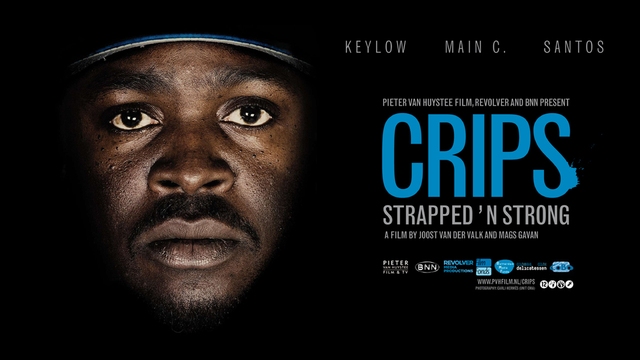 In this jaw-dropping film we meet the Dutch branch of the Crips gang. 'Main C' - fresh out of jail and fighting to get out of the gang to be a father. 'Santos' - lying low and hoping to "become somebody"; and leader 'Keylow', who holds the key to all their fates. Pulsating with a hip-hop soundtrack, this is a breathtaking mile-a-minute insight into the workings of the criminal mind. Each blistering second flirts between life, death, love and hate.

Gang leader Keylow shows us a room with a floor streaked with blood:"a deal that went wrong I expect", he shrugs, warning, "You must make sure you're the winner in a rip deal". Blood-soaked crime scenes are a regular part of the gang's life, where the stakes are high, loyalty is expected at any cost and recrimination is ruthless. "It costs a lot to eliminate someone", says Santos, slamming a cleaver into a chicken leg. "You need to know a farmer. If you don't feed a pig for a week it'll eat anything, even the bones."
"CRIPS means community revolution in progress", explains Keylow. It's a revolution born on the mean streets of the LA melting pot and it is now taking over in The Hague, where Surinamese immigrants feel sidelined by the white community. They bear the tattooed markings of their 'set', carry pistols in their low-slung jeans and make their money through drugs and other shady deals. Yet despite the sense of brotherhood, Santos and Main C are determined to get out.
Hiding from the Chinese and Turkish mafia and running the most dangerous drug runs, Santos dreams of returning to Suriname for a more peaceful life. "This is a special home for people who have been in prison", Main C explains to his 4 kids. "I came here so I can be a real daddy for you." Watching them play, he recalls how things spiralled out of control and he ended up killing a man. Torn between his conflicting loyalties, Main C admits,"I must make the decision to distance myself from my brothers". Will they manage to escape their violent world of crime, or is the gang's mantra "CRIPS for life" too hard to leave behind?
LEARN MORE.
WATCH MORE.
JOIN THE DISCUSSION. - Youth Jury Award - IDFA, 2009
- Locarno Film Festival - 2009
- Official Selection, International Documentary Festival Amsterdam, 2009
- Official Selection, Netherlands Film Festival, 2009
- Official Selection, Paris Film Festival, 2009
- Official Selection, Stockholm Film Festival, 2010
- Official Selection, Prague Film Festival, 2010
Co-produced by Revolver Media
- Youth Jury Award - IDFA, 2009
- Locarno Film Festival - 2009
- Official Selection, International Documentary Festival Amsterdam, 2009
- Official Selection, Netherlands Film Festival, 2009
- Official Selection, Paris Film Festival, 2009
- Official Selection, Stockholm Film Festival, 2010
- Official Selection, Prague Film Festival, 2010
Co-produced by Revolver Media
FULL SYNOPSIS
WATCH MORE.
JOIN THE DISCUSSION.
- Youth Jury Award - IDFA, 2009
- Locarno Film Festival - 2009
- Official Selection, International Documentary Festival Amsterdam, 2009
- Official Selection, Netherlands Film Festival, 2009
- Official Selection, Paris Film Festival, 2009
- Official Selection, Stockholm Film Festival, 2010
- Official Selection, Prague Film Festival, 2010
Co-produced by Revolver Media
