Mohammed & Paul - Once Upon a Time in Tangier
The complex relationship between storyteller Mohammed Mrabet and author Paul Bowles in Tangier
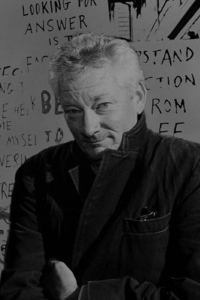
 1960s Tangier was a base for Beat Generation artists and writers, including author Paul Bowles (The Sheltering Sky). As renowned as Bowles was, a darker, unknown side to his character existed. This is the extraordinary story of Bowles' relationship with illiterate Moroccan Mohammed Mrabet, and how Bowles gained him wide recognition by transcribing and publishing Mrabet's spoken stories. Bowles kept all Mrabet's earnings for himself but little did he know that the wily Moroccan would get his own back. In a setting where creativity and free morality went hand in hand with colonial inequality and racism, a complex relationship developed between the two. Now in his late eighties, Mrabet, a master at interweaving fantasy and reality, looks back.
Festivals and Awards
 IDFA 2025 | World Premiere
Reviews and More
"A fascinating and vibrant account of their unusual, somewhat asymmetric, liaison, set against the ugly backdrop of colonialist excess” – Business Doc Europe